
ArcticSat-1
Сошёл с орбиты NORAD 61762 XZIQ-7009-4472-3546-4651 Russia

Soyuz 2.1b Fregat-M
Ракета-носитель
Cosmodrome Site 1S
Космодром
25935
Наблюдений за всё время
Study of the influence of space weather factors on small spacecraft in the polar regions. Obtaining and analyzing data on vessel traffic in the waters of the Northern Sea Route.
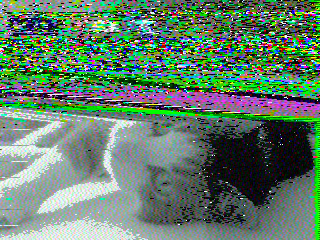
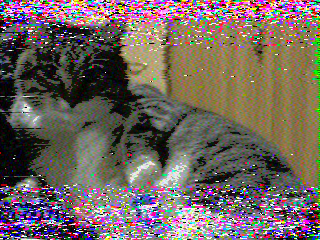
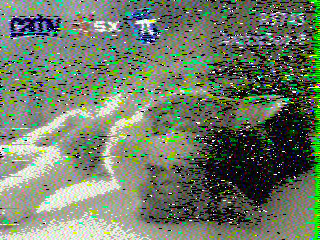
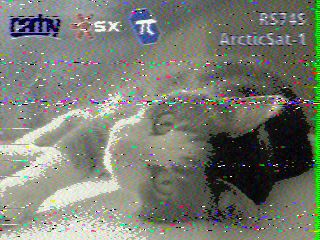
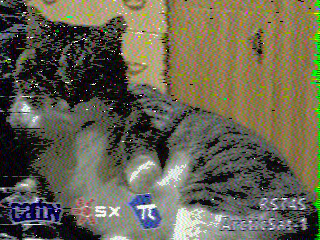
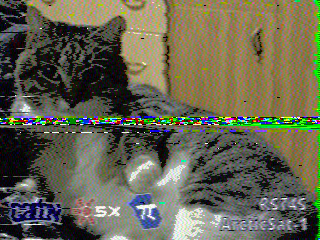
Study the influence of space weather factors on the systems of a small spacecraft in the polar regions. Acquisition and data analysis on the movement of vessels in the waters of the Northern Sea Route Involving schoolchildren and students in scientific and technical creativity and developing their current competencies in the field of data processing and analysis. The ArcticSat-1 spacecraft is capable to transmit of camera photos and preloaded images in digital and analog format (SSTV) to ground amateur radio stations around the world for educational purposes. Payloads: Cosmic radiation detector DeKoR-2, designed for recording X-ray photons and gamma quanta in the range of 0.05-1 MeV and electrons with energy more than 300 keV; An automatic identification system (AIS) signal receiver designed to obtain information about the location and characteristics of sea vessels; Overview camera with a spatial resolution of 250 meters/pixel. The presentation of the socio-cultural project âOctopus Octo-Paxâ by Russian artist Nastya Miro and the university satellite on which the art object will be sent into orbit took place at the office of the private space company SPUTNIX. The goal of the project is to draw the attention of society and youth audiences to environmental problems and pollution of the near-Earth space. In the company's laboratory, engineers presented a satellite that will be used as part of the Octo-Pax Octopus project. Inside, the device will also be equipped with a security camera aimed at the art object. This will make it possible to remotely monitor the space travel of the installation.
Спутник сгорел в атмосфере

1 61762U 24199AD  26165.34303745  .14484756  25559-5  25151-3 0  9993
2 61762  97.2729  49.6147 0010302 244.1546 115.8695 16.47295417137678

Средние элементы каждого набора TLE за последние 365 дней, по оси времени — эпоха набора. Каждый источник — своя линия, щелчок по легенде скрывает её. Скачок высоты — манёвр или ошибочный набор, расхождение линий — разница между источниками. «Возраст TLE» — сколько часов прошло от эпохи самого свежего набора источника, по оси времени — момент, когда набор пришёл к нам, шкала логарифмическая. Набор, который источник повторил без изменений, возраст не сбрасывает.
Каждый набор TLE продолжен моделью SGP4 до эпохи следующего набора того же источника и сравнён с ним, по оси времени — эпоха следующего набора, в подсказке — на сколько часов вперёд был прогноз. Шкала логарифмическая и показывает размер расхождения, знак — в подсказке: плюс вдоль орбиты — прогноз впереди спутника. Это согласованность наборов, а не истинная ошибка: эталон — тоже TLE с ошибкой порядка километра. Выброс — манёвр между наборами. Наборы дальше недели друг от друга не сравниваются.